Every successful construction venture begins with breaking ground, making excavation the true foundation of project scheduling. Moving earth is rarely a straightforward task because what lies beneath the surface is often unpredictable and highly variable. Builders must contend with a diverse matrix of geological materials, each presenting distinct physical properties that dictate the speed of mechanical operations. When subterranean conditions are overlooked during the initial planning phases, deadlines quickly slip away, and operational costs multiply. Understanding how different earth compositions influence heavy machinery performance is vital for keeping any commercial or residential development on schedule from day one.
Understanding Base Soil Classifications
Before heavy machinery ever arrives at a job site, project managers must analyze the specific geological profile of the area. Soil is generally classified by particle size and behavior, ranging from dense, sticky clays to highly permeable granular deposits. Each unique composition requires a completely different approach to digging, loading, and stabilization. For instance, working in areas dominated by stable loam allows operators to move quickly and maintain straight trenches without immediate structural reinforcement. Conversely, shifting to a location packed with fine sand particles alters the entire operational strategy, demanding immediate adjustments to preserve the structural safety of the open pit.
Loose Fine Sand Behaviors
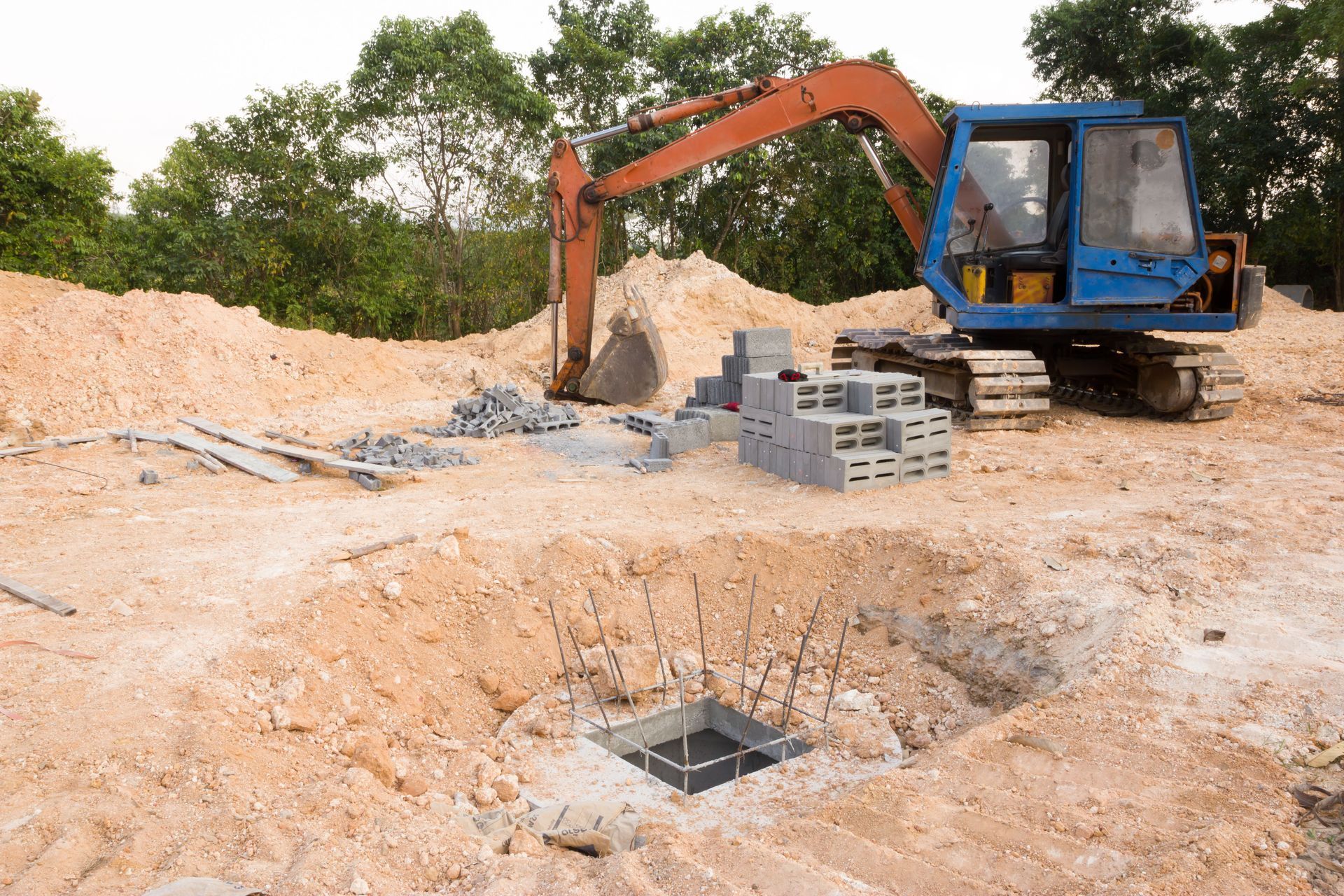
Granular materials present an incredibly unique set of challenges during earthmoving operations due to their complete lack of cohesion. When working extensively with loose sand, operators quickly realize that the sidewalls of an excavation pit are highly prone to immediate collapse. This shifting nature means that trenches dug in pure sand cannot hold a vertical face without specialized shoring equipment or significant sloping. Consequently, a crew handling fine sand must spend extra hours tapering the edges of the pit or installing protective utility boxes to keep workers safe. These necessary safety measures significantly alter the daily production rate, extending the hours required to achieve the desired depth.
Cohesive Clay and Moisture Retention
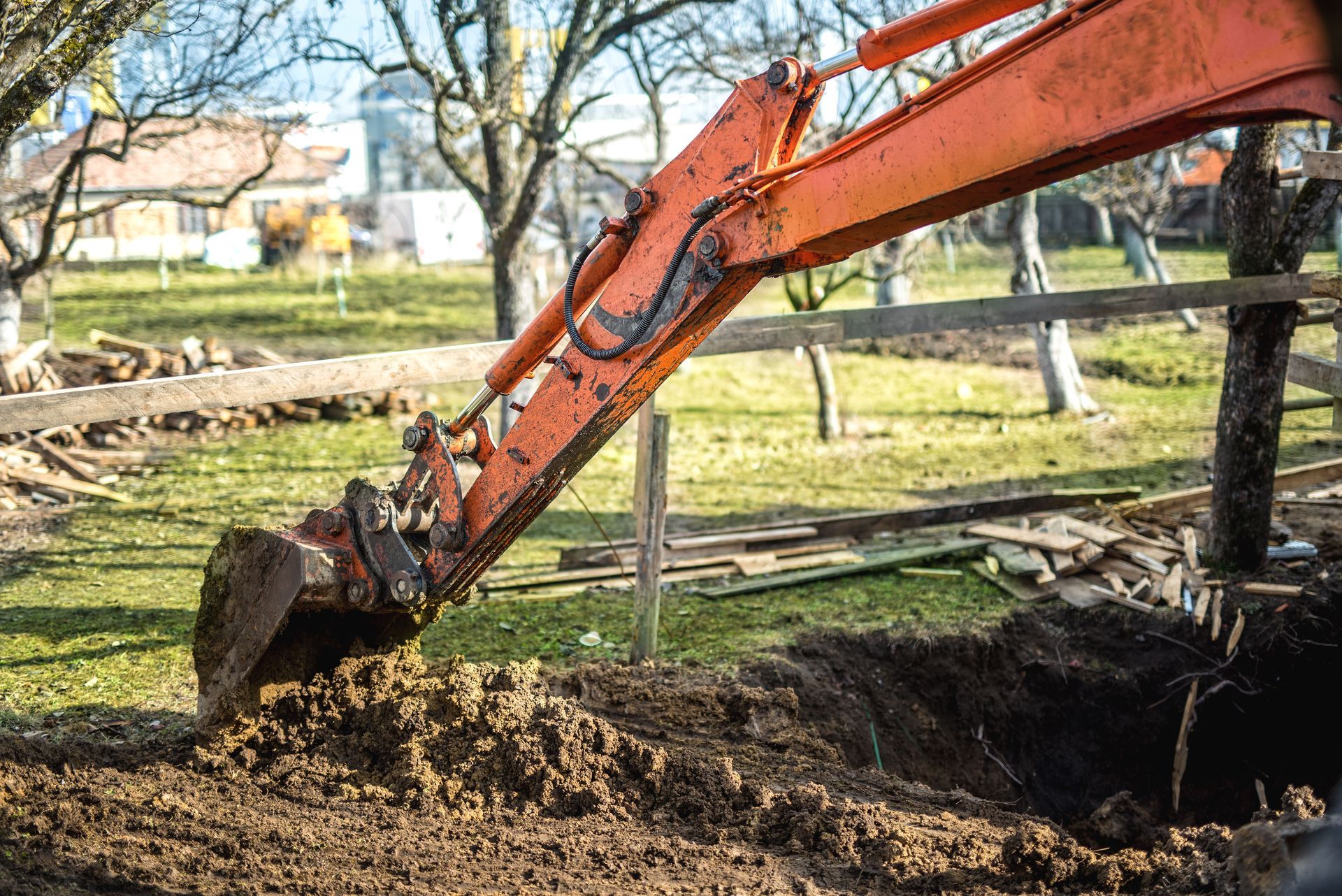
On the opposite end of the geological spectrum, cohesive clay soils introduce entirely different timing hurdles that are heavily dependent on weather conditions. Clay tightly retains water, transforming into a heavy, sticky paste during heavy rainfall that clings to excavator buckets and slows down cycle times. When this material dries out completely, it bakes into a concrete-like hardness that places immense strain on earthmoving machinery. Digging through a dense clay layer requires much more mechanical force than scooping loose sand, wearing down equipment teeth and slowing down general progress. Managers must closely monitor regional weather reports, as a single storm can halt clay excavation for days while the ground dries sufficiently.
Deep Rock Formations
When earthmoving crews transition from soft topsoil layers into solid subterranean rock, project timelines must be fundamentally re-evaluated. Solid limestone, granite, or basalt cannot be scraped away with standard buckets, requiring the introduction of hydraulic hammers, pneumatic drills, or blasting techniques. According to HomeGuide, depending on the scope and ground conditions, excavation can take as little as one to three days for smaller tasks, or upwards of three weeks if you are dealing with a large area or underground obstructions like rock shelves and boulders. Encountering unexpected stone layers instantly shifts an operation from a high-speed digging process to a slow, methodical fracturing procedure. This transition emphasizes why thorough ground testing is necessary to prevent sudden timeline expansions when hidden ledges appear.
Subsurface Environmental Conditions
Geotechnical engineering reports provide the vital data necessary to anticipate how subsurface elements will react once the top layers are removed. Technicians utilize core drilling and penetration tests to chart the exact depths of various geological strata before work begins. Discovering a deep layer of compact sand beneath a layer of clay allows supervisors to order the appropriate support systems well in advance. Without this predictive insight, field crews are forced to pause operations completely when they hit unexpected strata, waiting for engineers to approve new structural plans. Preparedness transforms unpredictable underground realities into manageable steps, keeping the overarching construction schedule intact.
Equipment Selection and Timelines
Matching the correct heavy machinery to the specific geological conditions on site is a primary factor in maintaining steady project momentum. Utilizing an undersized excavator to tear through highly compacted glacial till results in premature equipment failure and extremely slow progress. Conversely, deploying massive tracked units to clear a soft deposit of river sand might be an unnecessary expense that complicates tight maneuvering spaces. Efficient fleet management requires a deep understanding of bucket configurations, teeth types, and track weights required for specific environments. Having the proper machinery configuration on site from the start prevents costly operational delays caused by frequent mechanical breakdowns or inadequate digging force.
Groundwater and Runoff Obstacles
The position of the local water table dramatically influences how quickly a site can be safely excavated to its required depth. Reaching a depth that sits below the water table means that water will continuously seep into the open pit, requiring continuous pumping operations. In high-permeability zones containing coarse sand, water flows into the cleared area rapidly, creating a muddy slurry that stalls progress. Managing this constant inflow requires well-point dewatering systems that draw the water away before it can destabilize the surrounding slopes. If a crew encounters water while digging through sand, they must establish secure perimeters immediately to prevent dangerous slope washouts and structural cave-ins.
Logistical Coordination and Material Hauling
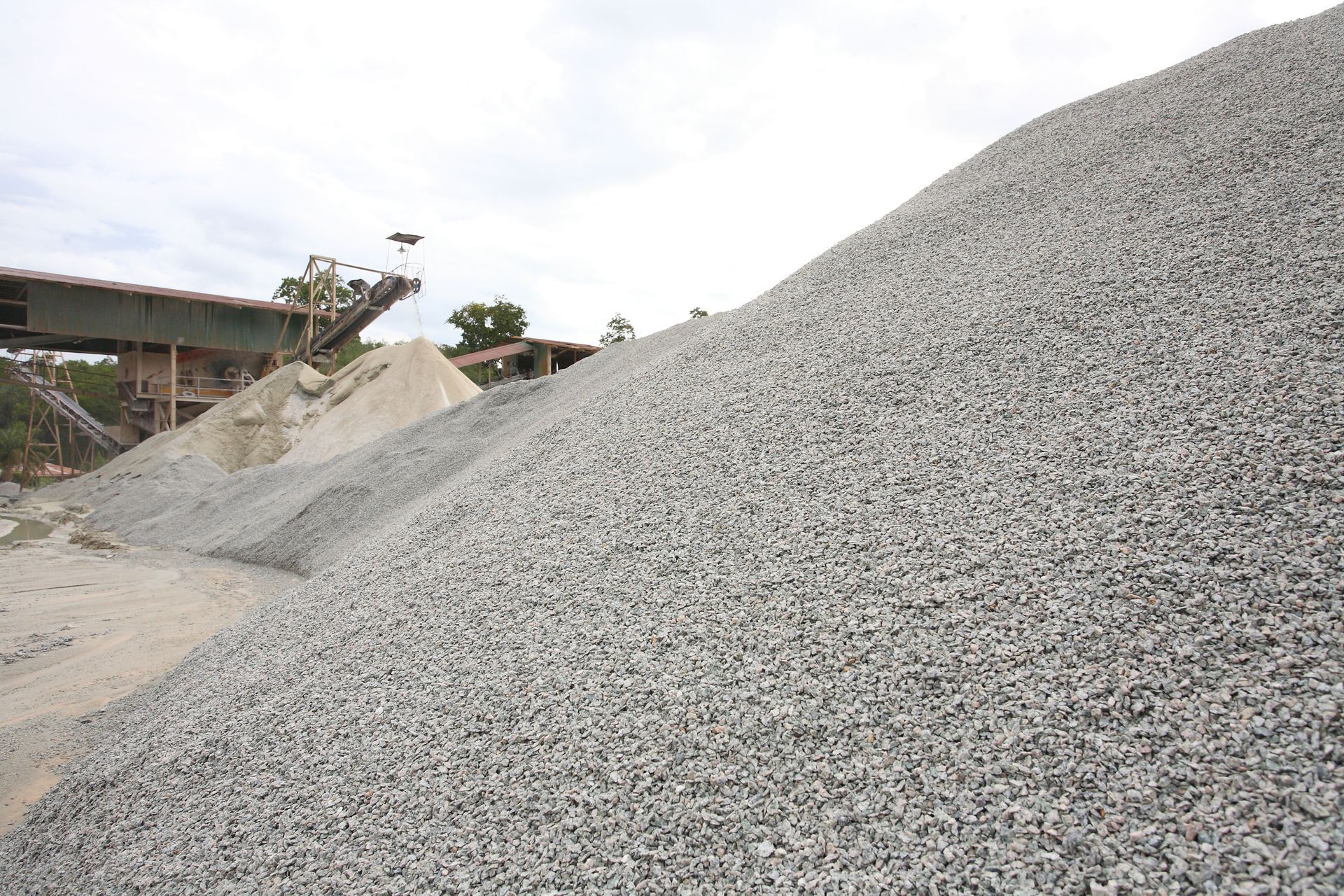
Excavation is not merely about pulling material out of the ground; it also involves the complex logistics of hauling thousands of tons of earth away from the property. When a site yields clean, reusable sand, logicians can often coordinate direct delivery to nearby projects that require stable backfill material. However, if the site consists of contaminated earth or massive fractured boulders, finding a certified disposal location becomes much more time-consuming. Heavy dump trucks require clear, stable access roads to enter and leave the site without getting stuck in soft mud. Delays in the hauling chain quickly bottle up the entire site, forcing expensive excavators to sit idle while waiting for empty trucks to return.
Site Stabilization and Safety Protocols
Maintaining a safe working environment is the absolute priority on any industrial job site, and proper stabilization directly dictates project speed. Federal safety guidelines require strict shoring, shielding, or sloping methods whenever an excavation goes beyond specific depth thresholds. A trench dug through uniform, compact clay requires different protective angles than a trench cut through loose, rolling sand. Implementing these vital safety systems takes dedicated time, as crews must meticulously install hydraulic jacks, aluminum shields, or heavy timber retaining walls. Skipping or rushing these stabilization procedures introduces extreme risks of catastrophic wall failure, which would instantly halt the entire development indefinitely.
Structural Foundations Responsibly
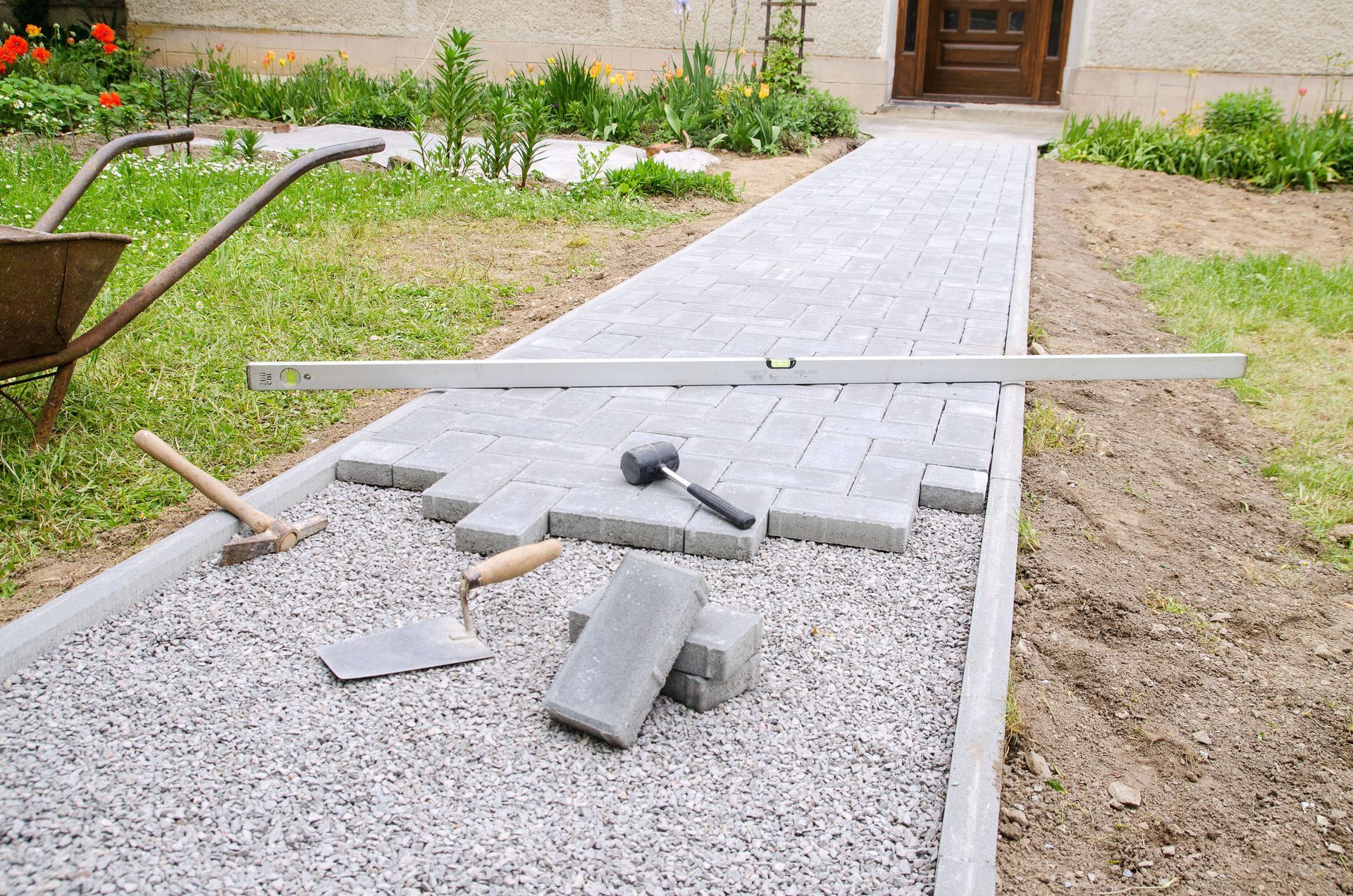
The ultimate goal of any excavation phase is to prepare a perfectly stable, load-bearing surface capable of supporting a heavy permanent structure. Once the target depth is successfully achieved, engineers must test the exposed subgrade to ensure it meets strict density and compaction requirements. If the base material consists of unstable sand, contractors may need to import structural fills or use heavy vibrating compactors to lock the particles together. Achieving the correct compaction level ensures that the building will not settle unevenly or suffer structural cracking over time. Dedicating the proper time to refine the foundation base protects the entire architectural investment for its entire operational lifespan.
Navigating the complex realities of subterranean soil and rock structures is an essential aspect of managing a successful construction schedule. From the fluid challenges of granular deposits to the slow, labor-intensive process of breaking through solid stone, underground conditions dictate the true pace of development. Attempting to rush through these foundational phases without proper geological insight or appropriate heavy machinery inevitably leads to costly delays and compromised structural safety. Ensuring a predictable timeline requires utilizing high-quality materials and partnering with proven industry experts who understand the nuances of earthmoving. When you need reliable aggregates, professional site logistics, and dependable structural materials for your next project, Smart Materials, Inc. provides the comprehensive solutions necessary to keep your construction timeline perfectly on track. Call us today.