By Judy
October 13, 2026
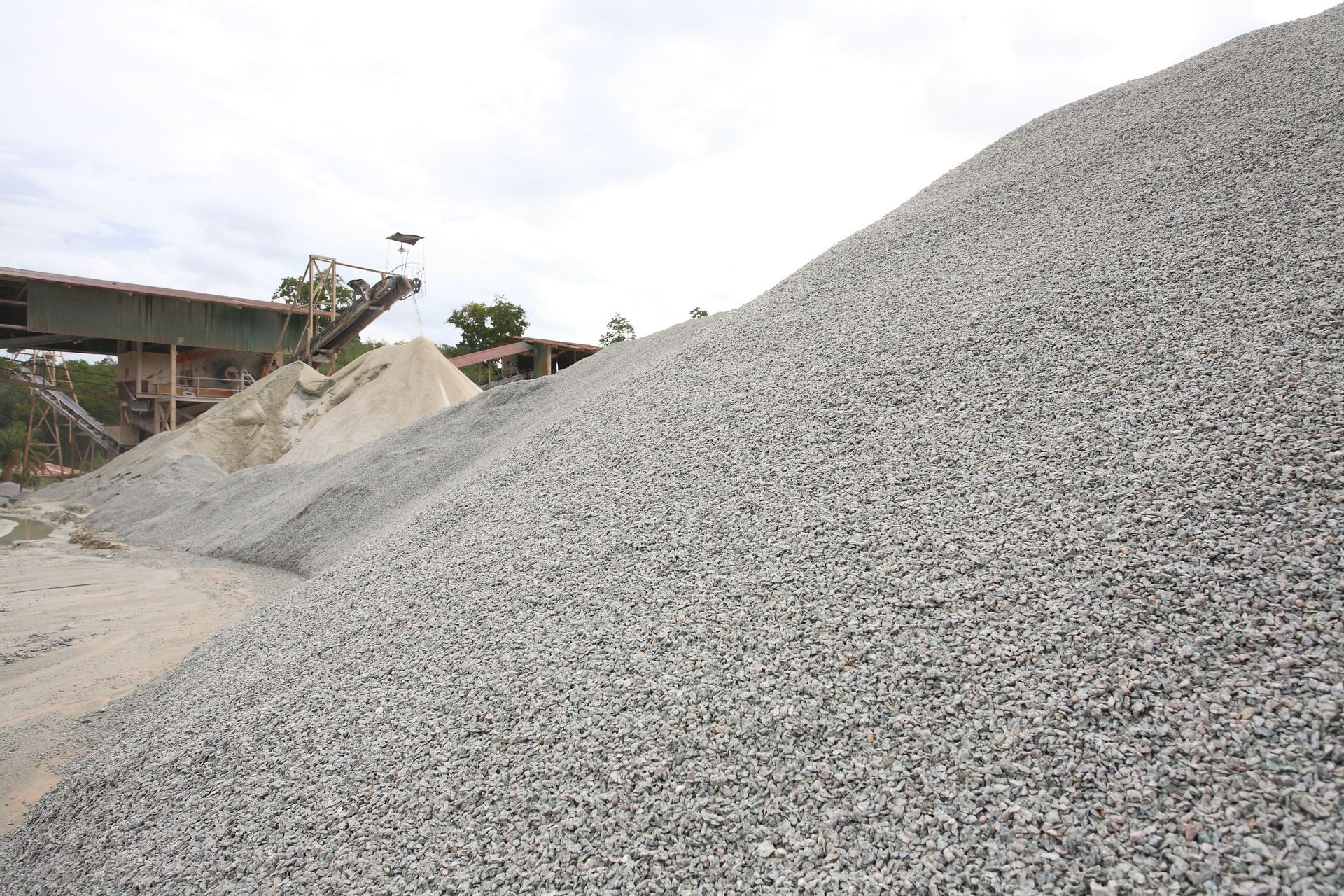
In the realm of landscaping, proper water management is a critical component that ensures the health and longevity of plantings, structures, and soil. An essential element in facilitating effective water flow and preventing water-related issues is the strategic use of crushed rock. This naturally occurring material plays a pivotal role in creating drainage solutions that are both effective and aesthetically pleasing. As such, understanding the properties and applications of crushed rock can lead to more sustainable and practical landscaping designs.
Why is Crushed Rock Important for Water Drainage?
Understanding Water Flow Dynamics
To comprehend the significance of crushed rock, one must first understand water flow dynamics in a landscape. Water travels through soil or across surfaces, its journey influenced by gravity, soil type, and surface texture. When excess water lacks escape routes, it exerts pressure, leading to erosion and potential damage to plants and structures. Crushed rock provides necessary channels that guide water away, preventing accumulation and mitigating damage.
Gravel and crushed rock form porous pathways that allow water to percolate through layers, facilitating gradual absorption into the subsurface. This prevents surface flooding and reduces erosion. The material also supports the natural filtration of water, which benefits underground aquifers and the ecosystem. In incorporating these drainage pathways, crushed rock serves as both a practical and environmentally-friendly solution for landscape management.
According to the U.S. Geological Survey, of the total domestic crushed stone produced in 2022, about 70% was limestone and dolomite, materials renowned for their drainage properties. The inherent composition and texture of crushed rock make it indispensable for water management. By choosing a reliable crushed rock supplier, homeowners and landscapers ensure quality and consistency in their designs. Such suppliers offer expert advice on the grades and types suitable for specific projects.
The Role of Crushed Rock in Drainage Systems
Crushed rock is fundamental in designing efficient drainage systems that protect landscapes from water damage. Acting as a middle layer between soil and water, crushed rock provides a structured bed that facilitates smooth water flow. Its application ranges from foundational infrastructure, such as French drains, to aesthetic features like dry creek beds. Each use underscores crushed rock's versatility and importance in managing subterranean and surface water.
Components of drainage systems, including trenches filled with crushed rock, act to channel water efficiently away from critical areas. By directing water flow towards designated exits, these systems prevent unwanted saturation and flooding, thus preserving soil integrity and plant health. The material's robust nature ensures longevity and reliability under variable conditions, making it a superior choice for these applications. Ensuring availability and consistency from a trusted crushed rock supplier is essential for maintaining these benefits over time.
Crushed rock's structural integrity allows it to support other drainage elements like pipes and filter fabrics, contributing to a holistic approach to water management. Its adaptability enables the customization of solutions tailored to various landscape needs, whether residential or commercial. Furthermore, as it integrates into the natural environment, crushed rock offers minimal disruption to the existing ecosystem. A quality crushed rock supplier can recommend materials that align with specific environmental requirements.
How Does Crushed Rock Prevent Soil Erosion?
Mechanics of Erosion Control with Crushed Rock
Soil erosion is a natural process accelerated by human activities, resulting in land degradation and loss of productivity. Crushed rock is an effective erosion control measure due to its capacity to cushion and stabilize affected areas. By creating barriers that reduce water velocity and trap sediments, crushed rock mitigates erosion's impact. Thus, landscapes benefit from preserved soil structure and continued fertility.
Deployment of crushed rock along slopes and at the base of hills serves as a buffer against erosive forces, distributing the pressure evenly across the surface. This action minimizes soil displacement, maintaining the integrity of the terrain and preventing damage to properties and vegetation below. The adaptability of crushed rock in forming structures like riprap and retaining walls underscores its utility in varied erosion challenges. Acquisition from a specialized crushed rock supplier ensures the material's effectiveness and compatibility with landscape needs.
Furthermore, the use of crushed rock as a mulching layer on embankments prevents soil erosion by reducing the direct impact of rainfall and runoff. This organic-inorganic interplay safeguards the landscape's foundational elements, fostering a harmonious interplay of natural forces. As an integral component of sustainable land management, crushed rock's role is critical in addressing current and future challenges of soil degradation.
Types of Crushed Rock for Erosion Control
The variety in crushed rock types allows tailored erosion control measures, with each type offering specific benefits for differing environmental conditions. For example, limestone is often used for its natural binding properties and durability, forming resilient barriers against water flow. Additionally, granite’s interlocking nature provides robust protection in high-energy environments. A trusted crushed rock supplier provides insight into fitting characteristics for each erosion scenario.
Various grades of crushed rock, such as riprap, are employed in the construction of shorelines, highways, and similar locations with high erosion risk. These materials, when selected and applied appropriately, contribute to long-term erosion control strategies, ensuring stable landscapes. Employing these specialized materials requires professional guidance to maximize efficacy in diverse settings. Thus, forming an enduring relationship with an experienced crushed rock supplier proves advantageous in selecting suitable erosion-resistant products.
The strategic use of crushed rock blends the principles of environmental engineering with practical landscape design. Beyond typical applications, experimentation with granule size and composition further expands possibilities for innovation in erosion control. Each project presents an opportunity to blend proven approaches with unique customization, broadening the scope of landscape preservation strategies.
What Are the Different Types of Crushed Rock?
Classification of Crushed Rock Varieties
The marketplace for crushed rock is diverse, encompassing various sizes, textures, and compositions that cater to distinct landscaping needs. Common types of crushed rock include limestone, granite, basalt, and trap rock, each offering unique attributes for specific applications. Limestone, a staple in the industry, is favored for its clarity and adaptability across different drainage and decorative projects. When choosing a crushed rock supplier, understanding these materials' characteristics ensures appropriate application and effectiveness.
Granite, renowned for its durability and resistance to wear, is frequently utilized in high-traffic areas where resilience is paramount. Its aesthetic appeal is equally notable, enabling its use in upscale landscape designs without compromising performance. Other alternatives, like trap rock, offer intermediate hardness and versatility, making it suitable for varied applications. Hence, selecting the right material depends on project requirements and environmental conditions.
Trustworthy suppliers guide clients through the myriad options, aligning product capabilities with client aspirations to design sustainable, visually appealing environments. Their breadth of knowledge bridges the gap between technical specifications and creative design, ensuring landscapes optimally benefit from chosen materials. As clients navigate choices, a reliable partnership with a crushed rock supplier simplifies decision-making processes.
Best Applications for Each Type
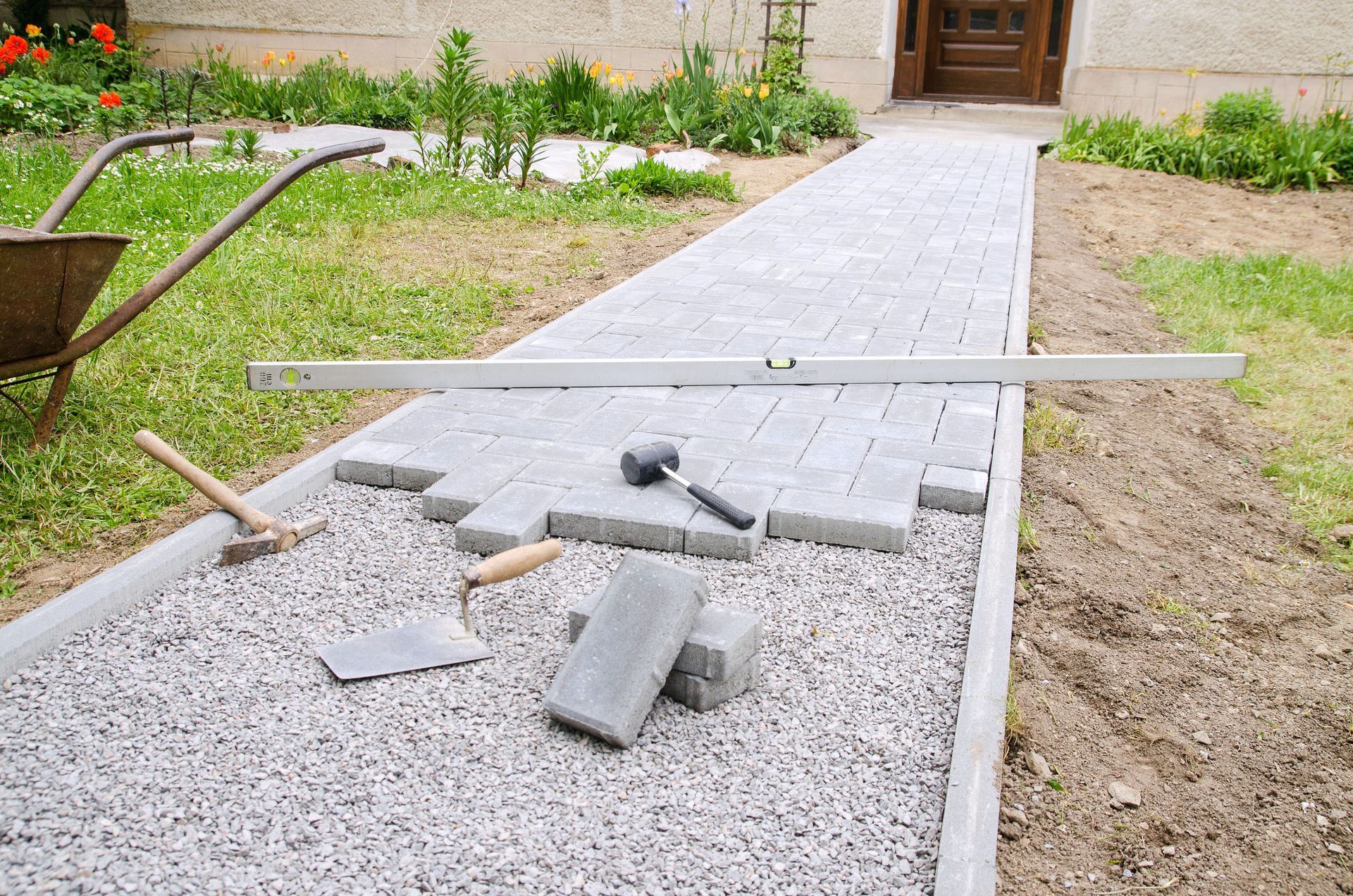
The granularity of crushed rock broadens its applications within landscaping projects beyond fundamental drainage solutions. Limestone is predominantly implemented in driveways and as substrate in landscape beds, offering a balance between functionality and aesthetics. Granite provides a robust foundation in heavy-use zones, such as patios and foundational work, ensuring durability against variable weather conditions. Given these differences, consulting with a knowledgeable crushed rock supplier is essential.
Various sizes of basalt are perfect for decorative pathways and garden accents, where visual impact aligns with structural stability. Similarly, trap rock finds its niche in construction projects and as a material for erosion control barriers, balancing strength with accessibility. Understanding the contexts where these types excel helps optimally deploy them within a landscape strategy.
Ultimately, crushed rock proves indispensable in creating effective water management and erosion control solutions within landscapes. Its contribution to drainage systems, backed by its natural characteristics, serves as a cornerstone of sustainable landscape design. By selecting the right crushed rock supplier, landscapers and homeowners ensure access to quality materials that complement and elevate environmental projects.
With an appreciation for crushed rock's diverse applications, stakeholders transform landscapes into thriving, long-lasting environments. These choices hold the potential for aesthetic richness alongside practical water management solutions. A relationship with experienced crushed rock suppliers substantiates these efforts, reaffirming their integral role in landscape success. Reach out to Smart Materials, Inc today to see how we can help you!