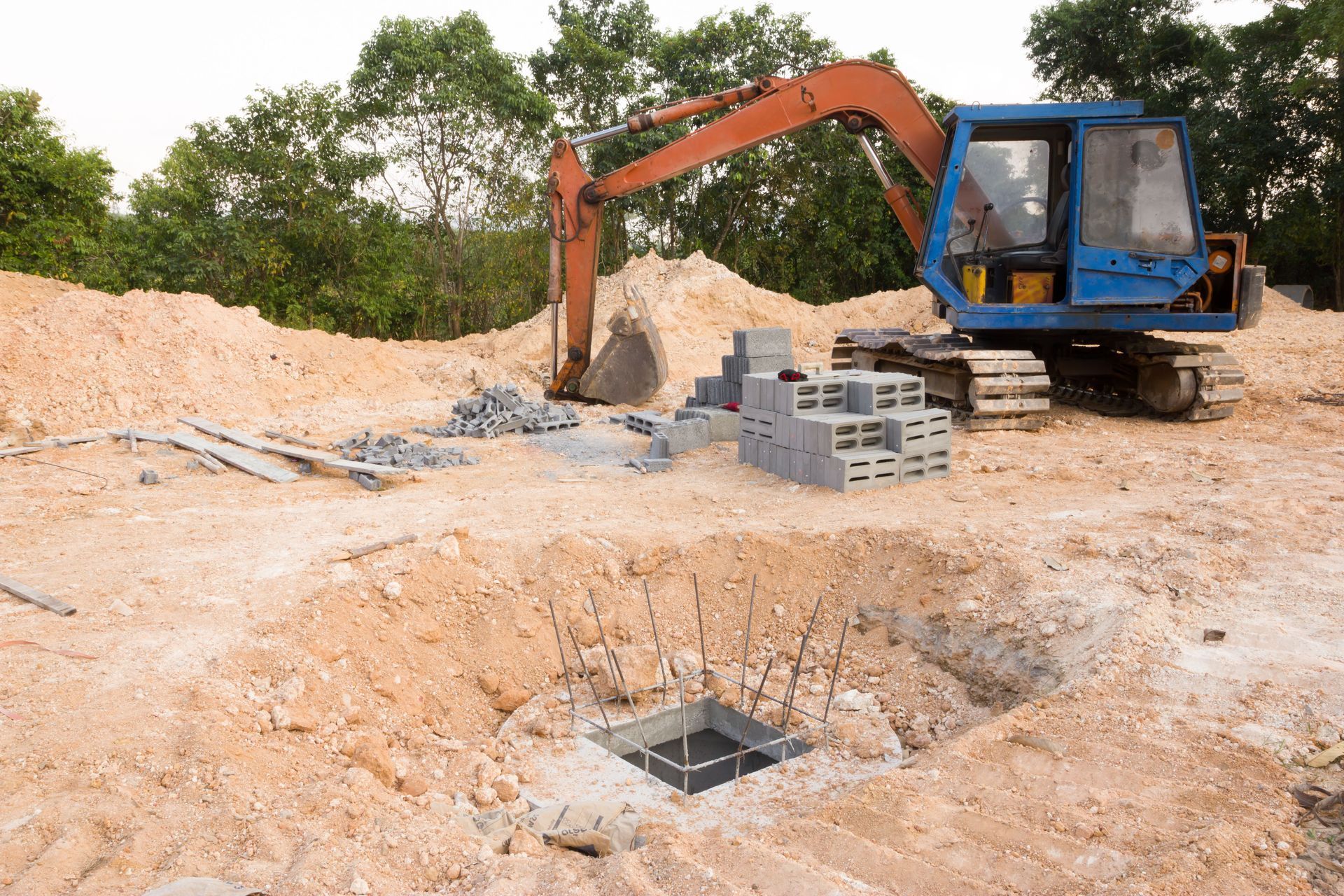
Construction projects depend on a stable and well-prepared foundation to achieve long-lasting results. While many people focus on the visible aspects of a project, the materials beneath the surface often determine its overall performance. Proper site preparation includes selecting the right fill materials to support drainage, stability, and structural integrity. Without adequate drainage, water can accumulate around foundations, roadways, and other structures, increasing the risk of erosion and soil movement. Contractors carefully evaluate site conditions before choosing the materials needed to support long-term performance. Using select fill material helps improve water management while creating a more stable base for construction. Understanding how this material contributes to drainage allows property owners and contractors to make better-informed decisions during site development. Here are several ways select fill supports effective drainage on construction sites.
Improve Water Movement Below the Surface
Proper drainage begins beneath the ground where water naturally moves through soil layers. If water becomes trapped, it can weaken the soil and reduce the stability of the finished project. Carefully chosen fill materials help control how water travels beneath foundations, parking lots, roads, and other structures. Select fill material is commonly used because it provides consistent characteristics that support predictable drainage performance. The material helps minimize standing water while encouraging moisture to move away from critical structural areas. Contractors evaluate soil composition before determining how much fill is necessary for each project. Proper installation also helps reduce long-term maintenance concerns associated with poor drainage. Effective water movement below the surface creates a stronger and more reliable construction site.
Create Stable Building Foundations
Drainage and structural stability work together throughout every construction project. Excess moisture beneath a foundation can contribute to settling, shifting, and uneven support over time. Properly compacted fill provides a solid base that helps distribute structural loads more evenly across the site. Contractors often use select fill material to prepare foundations because of its consistency and compaction characteristics. Stable foundations reduce the likelihood of structural movement caused by changing soil conditions. Careful grading also helps direct water away from the building before it has an opportunity to collect. Preparing the site correctly from the beginning contributes to the overall success of the construction project. Strong foundations depend on both quality materials and proper drainage planning.
Reduce Soil Erosion During Construction
Construction sites often experience increased erosion because vegetation has been removed and soil has been disturbed. Heavy rainfall can quickly wash away loose soil if proper drainage measures are not in place. Fill materials help stabilize exposed areas while supporting controlled water movement throughout the site. Select fill material contributes to erosion control by creating a more uniform surface that resists excessive soil displacement. Contractors frequently combine grading techniques with appropriate fill placement to reduce runoff problems. Preventing erosion also helps protect nearby drainage systems from sediment buildup. Managing water effectively during construction supports both project safety and environmental responsibility. Erosion control measures help preserve the integrity of the construction site throughout the building process.
Support Proper Site Grading
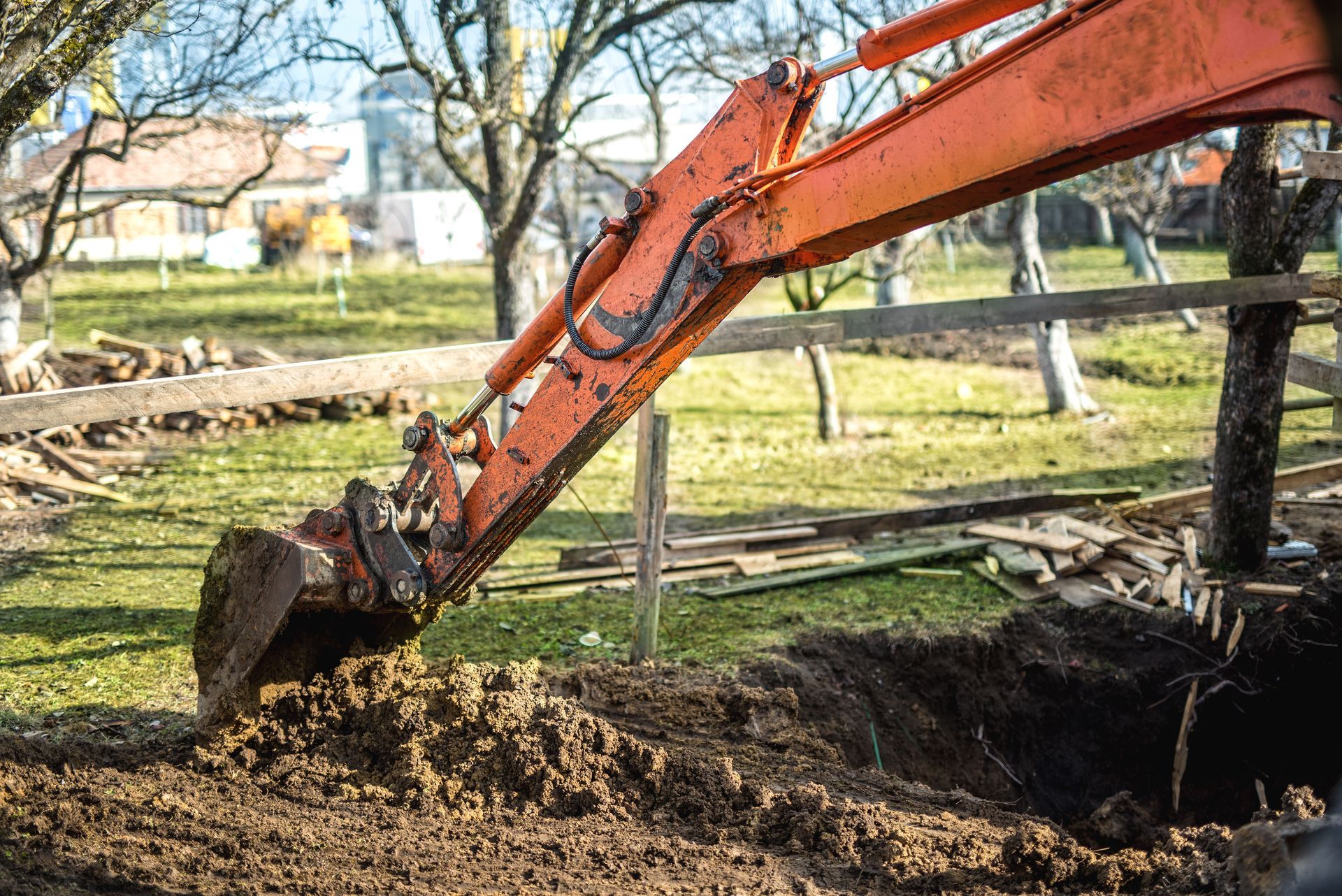
Successful drainage depends heavily on accurate grading across the construction site. Proper grading directs water away from buildings and toward designated drainage areas where it can be safely managed. Uneven ground can create low spots that allow water to collect and increase the risk of future damage. Contractors carefully shape the site before construction begins to establish the correct slopes and elevations. According to HomeGuide, smaller excavation projects generally take between one and three days, while larger projects or sites with rocky conditions may require more than three weeks, demonstrating how site conditions influence preparation timelines. Careful grading and quality fill placement often go hand in hand during this stage of construction. Select fill material helps maintain consistent elevations while supporting effective drainage patterns. Well-planned grading improves both the performance and longevity of completed projects.
Increase Long-Term Structural Performance
Water-related problems may not appear immediately after construction is completed. Over time, poor drainage can contribute to foundation movement, pavement deterioration, and other structural concerns. Using appropriate fill materials during site preparation helps reduce these long-term risks. Proper compaction minimizes settling while supporting consistent load distribution beneath structures. Contractors also evaluate drainage conditions that may change seasonally as weather patterns vary. Long-term planning helps construction projects remain stable despite changing environmental conditions. A carefully prepared base provides ongoing support throughout the life of the structure. Investing in proper site preparation contributes to improved durability and reduced maintenance requirements.
Improve Performance Around Roads and Pavement
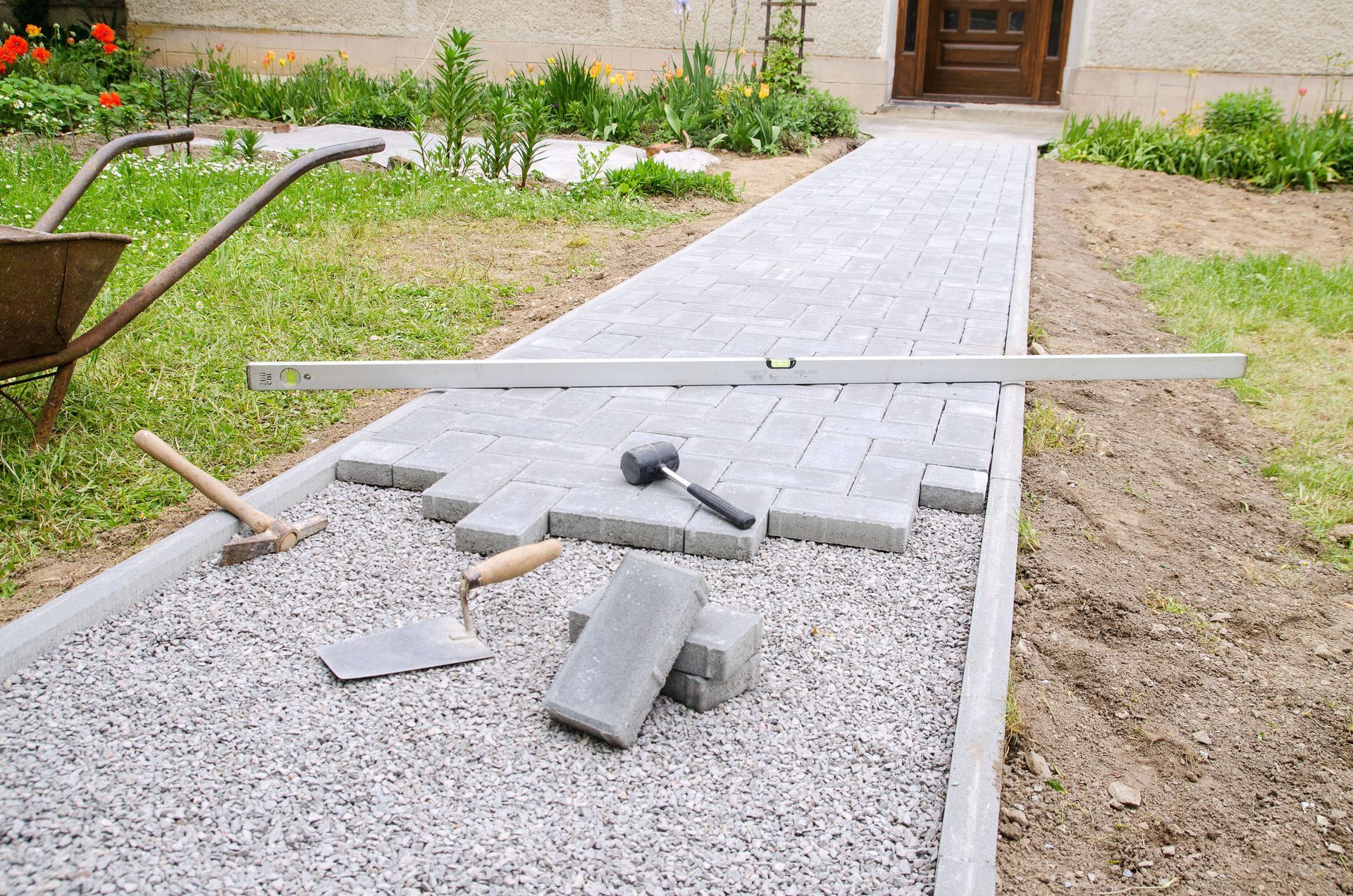
Roadways, parking lots, and driveways also depend on effective drainage beneath the surface. Water that remains trapped below pavement can weaken supporting soils and contribute to cracking or uneven surfaces. Proper site preparation helps move moisture away before it creates structural problems. Select fill material is frequently incorporated beneath paved surfaces to provide consistent support and improve drainage performance. Contractors carefully compact the material to reduce air pockets and improve long-term stability. Proper drainage beneath paved areas also helps minimize freeze-thaw damage in regions with changing seasonal temperatures. Strong subsurface support contributes to smoother, longer-lasting pavement performance. Well-prepared road bases reduce the need for premature repairs and maintenance.
Minimize Future Maintenance Needs
One of the greatest benefits of proper drainage planning is the reduction of future maintenance concerns. Construction projects with poor drainage often require additional grading, erosion repairs, or structural corrections after completion. Addressing drainage during the initial construction phase helps avoid many of these costly issues. Proper fill selection supports stable soil conditions while reducing water-related damage over time. Contractors who invest in quality site preparation often create projects that perform more reliably for years. Routine inspections can identify developing drainage concerns before they become significant problems. Preventative planning saves both time and long-term maintenance expenses. Well-managed drainage systems contribute to the overall success and durability of construction projects.
Choose the Right Material for Every Project
Every construction site presents unique challenges based on soil conditions, project size, drainage requirements, and intended use. Selecting the proper fill material requires careful evaluation of these factors before work begins. Contractors consider compaction characteristics, moisture behavior, and load-bearing requirements when determining the best material for the project. Using select fill material that matches site conditions helps improve drainage while supporting structural performance. Careful planning also allows construction teams to adapt to changing site conditions as excavation progresses. Choosing appropriate materials from the beginning contributes to more efficient construction and better long-term results. Professional site preparation combines proper grading, quality materials, and experienced installation techniques. These decisions help create durable construction projects capable of performing reliably for many years.
Select fill material responds well to proper compaction, helping create a firm base that supports buildings, roadways, and other structures. Adequate compaction also limits future settling that could affect drainage patterns or structural stability. Careful testing throughout the compaction process helps verify that the site meets project specifications before construction continues. Investing time in proper compaction contributes to better long-term performance and reduces the likelihood of costly corrective work. A well-compacted foundation provides dependable support while improving the overall durability of the finished project.
Quality site preparation begins with choosing the right construction materials for the job. Smart Materials, Inc supplies dependable materials that support drainage, stability, and long-term project performance for a wide range of construction applications. Contact us today to learn more about available material solutions and how they can help support the success of your next construction project.